
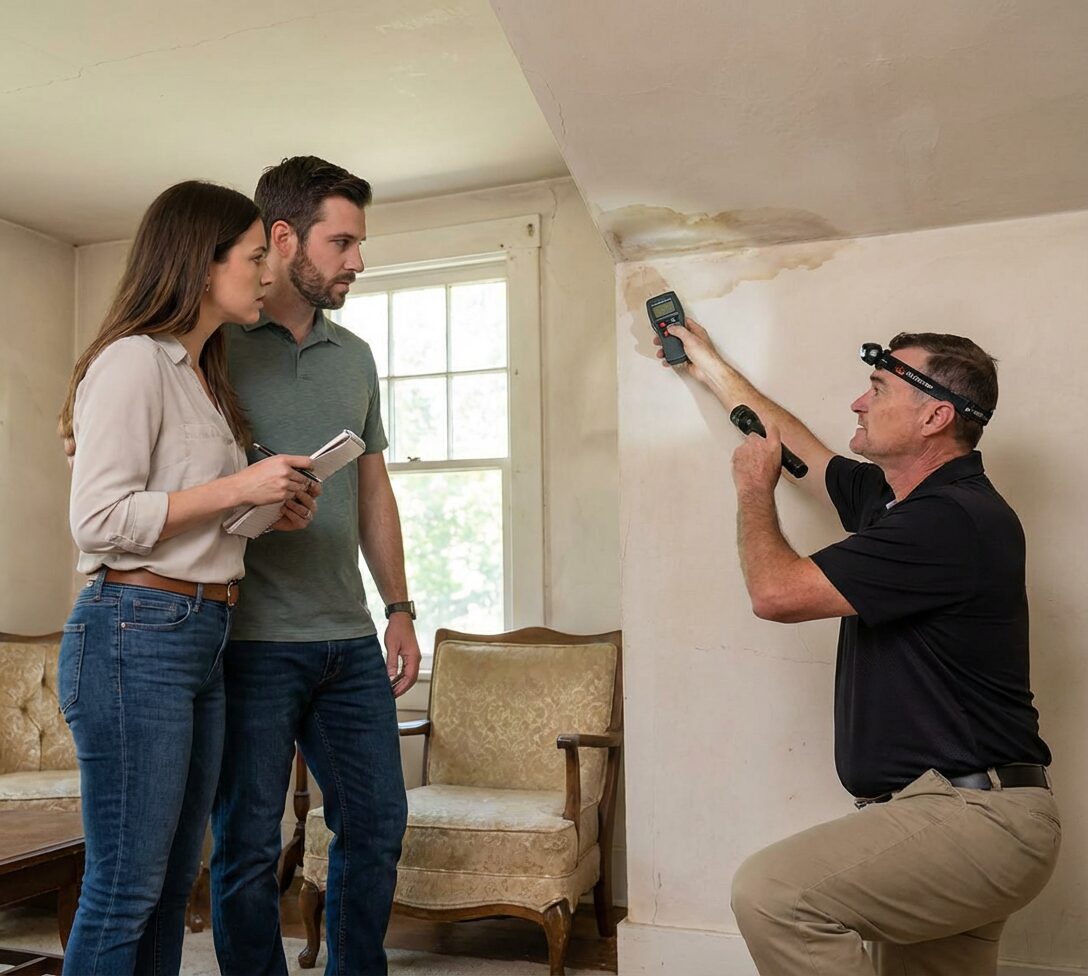

The 11-Month Window: Catching Moisture Damage Before It’s Too Late
Picture moisture creeping silently behind walls, creating hidden reservoirs where mold colonies thrive undetected. At 11 months into a building’s lifecycle, you’re entering a critical window where construction moisture should’ve dissipated, yet improper HVAC commissioning often leaves humidity levels dangerously heightened. Gulf View inspections’ moisture and mold risks inspection uncovers these issues before they escalate. ASHRAE guidelines specify maintaining relative humidity below 60%, but what happens when your mechanical systems aren’t meeting code requirements? The consequences for your home’s structural integrity and value demand your immediate attention.
Key Takeaways
- 11-month warranty inspections identify moisture intrusion and mold risks before the builder’s one-year warranty expires.
- Common defects include roof leaks, plumbing issues, missing insulation, and improper ventilation, leading to mold growth.
- Address water leaks and moisture problems within 48 hours, following EPA guidelines to prevent mold development.
- Use proper ventilation and dehumidifiers in moisture-prone areas to protect infant health and home systems.
- Regular HVAC maintenance and filter replacement prevent mold buildup and ensure clean air for vulnerable infants.
Overview of ASHE Standard-170 Ventilation Requirements
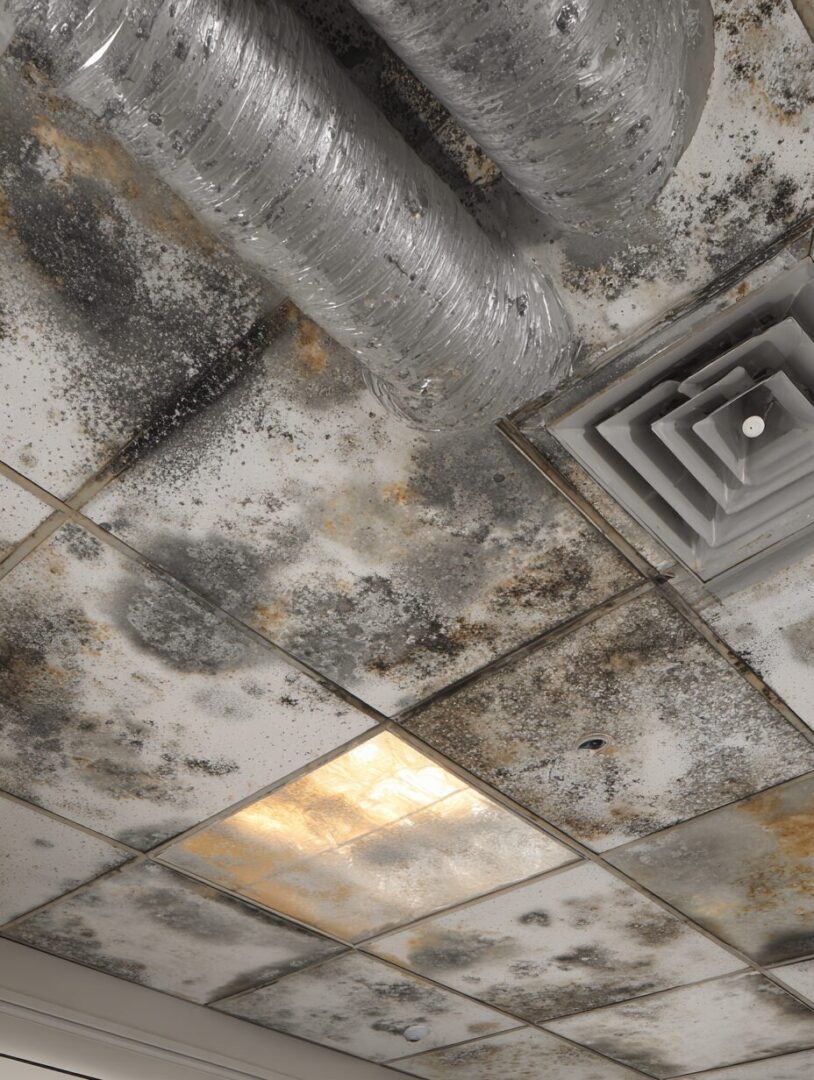
The 11-month warranty inspection reveals defects that surface after seasonal changes expose construction flaws. Moisture problems from poor grading, roof leaks, and inadequate ventilation create ideal conditions for mold growth just before your builder’s warranty expires.
You must maintain a minimum of 2 air changes per hour in patient rooms to reduce airborne contaminants effectively. The standard requires you to implement appropriate filtration systems capable of removing particulate matter, including mold spores that threaten infant respiratory health.
Humidity levels demand your constant attention. ASHE Standard-170 mandates maintaining relative humidity between 30% and 60%—a range that prevents mold proliferation while ensuring patient comfort. When you exceed these thresholds, you create conditions favorable to mold growth. Monitor consistently, document diligently, and address deviations immediately to fulfill your duty of care.
Air Filtration and Quality Control in Healthcare Environments
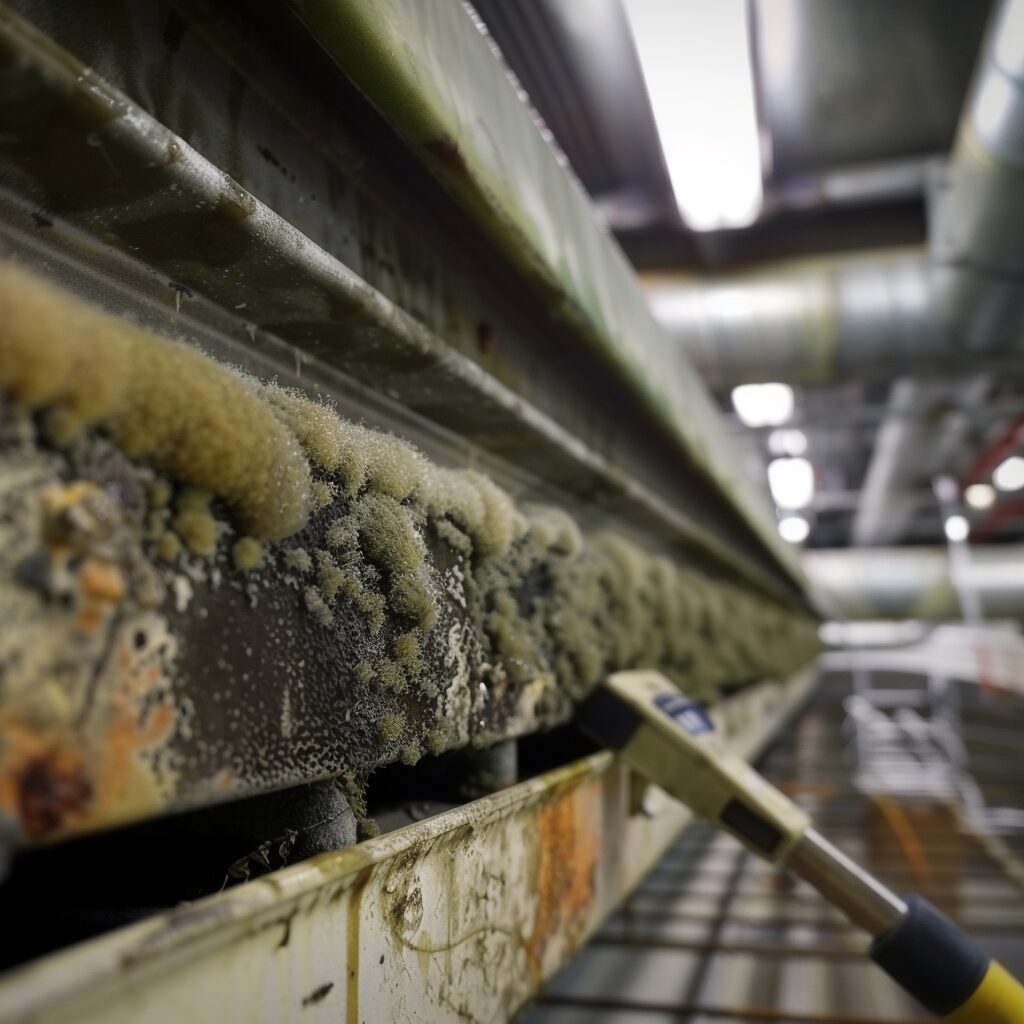
While ASHE Standard-170 establishes ventilation baselines, your 11-month inspection verifies that HVAC systems actually control moisture and prevent mold proliferation.
Your air filtration strategy must incorporate HEPA filters capturing 99.97% of 0.3-micron particles. You’ll need to maintain humidity levels between 30-50% to prevent mold growth. Regular filter replacement prevents airflow reduction and contaminant buildup.
| Control Measure | Implementation Standard |
|---|---|
| HEPA Filtration | 99.97% efficiency at 0.3 microns |
| Humidity Levels | 30–50% per CDC recommendations |
| UV‑C Technology | Inactivates mold spores |
| Filter Maintenance | Scheduled replacement protocol |
Consider integrating UV-C light and ionization technologies to enhance microbial inactivation. These systems work synergistically with your filtration infrastructure, reducing mold viability.
Temperature and Humidity Management for Patient Safety

Beyond filtration, 11-month inspections target temperature inconsistencies and humidity imbalances that foster mold growth. Inspectors use digital hygrometers to verify indoor levels stay below 50% RH, the threshold for mold prevention.
Common findings include improperly sealed windows causing condensation, kitchen exhaust fans venting into attics, and crawlspace humidity exceeding 60%. These issues often stem from rushed construction practices exposed after the first year of settling
Keep your living spaces between 68°F and 72°F to discourage mold proliferation. You should guarantee proper ventilation in bathrooms and kitchens where moisture problems commonly develop. Regularly inspect for leaks and water damage—these issues notably increase mold risk.
Infection Control Through HVAC Design
In addition to temperature and humidity control, your HVAC system’s design functions as a critical infection control mechanism that directly impacts mold prevention for your home.
Proper HVAC design prevents moisture accumulation by maintaining humidity below 50%, which stops mold proliferation at its source. You’ll protect indoor air quality through strategic ventilation that exchanges contaminated air with fresh outdoor air.
Consider these crucial design elements:
- Air filtration systems capture mold spores and airborne contaminants before they reach your infant’s breathing zone
- Energy recovery ventilators control moisture while minimizing energy loss during air exchange
- Regular duct cleaning and filter replacement prevent mold buildup within the system itself
Design Coordination With Mechanical, Electrical, and Plumbing Systems
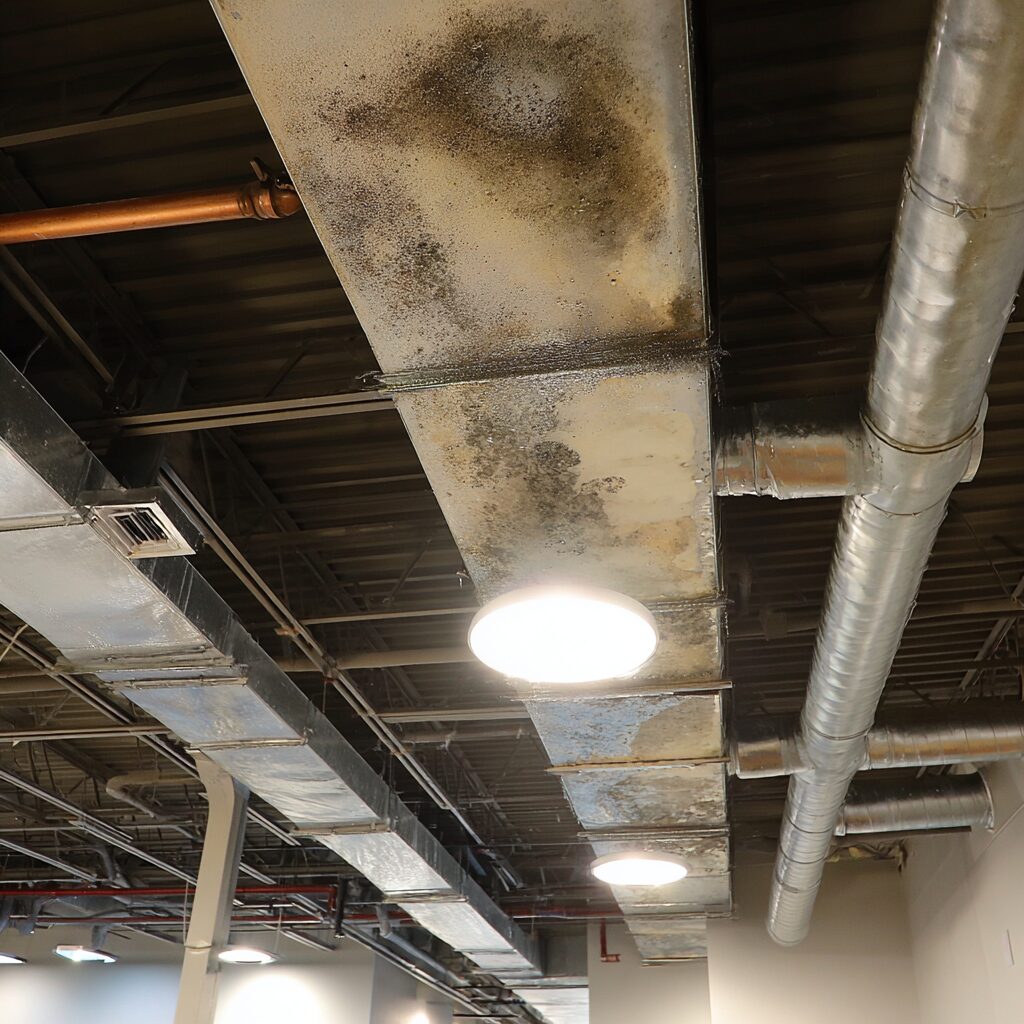
Because your HVAC system doesn’t operate in isolation, 11-month warranty inspections reveal coordination issues with mechanical, electrical, and plumbing (MEP) systems that compromise moisture control and promote mold growth.
Building Information Modeling (BIM) coordination failures create clashes where plumbing penetrations lack flashing, electrical boxes allow water entry, and HVAC ducts conflict with framing. 11-month inspections document these defects with photos and moisture readings for warranty claims.
You’ll want to verify that ventilation components integrate properly with plumbing, drainage, and electrical systems. Poor coordination creates hidden moisture traps where condensation accumulates—issues commonly uncovered during comprehensive 11-month warranty inspections.
Regular collaboration between architects, engineers, and contractors should prevent these MEP integration failures. 11-month inspections provide the documentation needed to hold builders accountable, protecting your home’s performance against preventable moisture hazards
Zoning and Airflow Requirements for Critical Care Areas
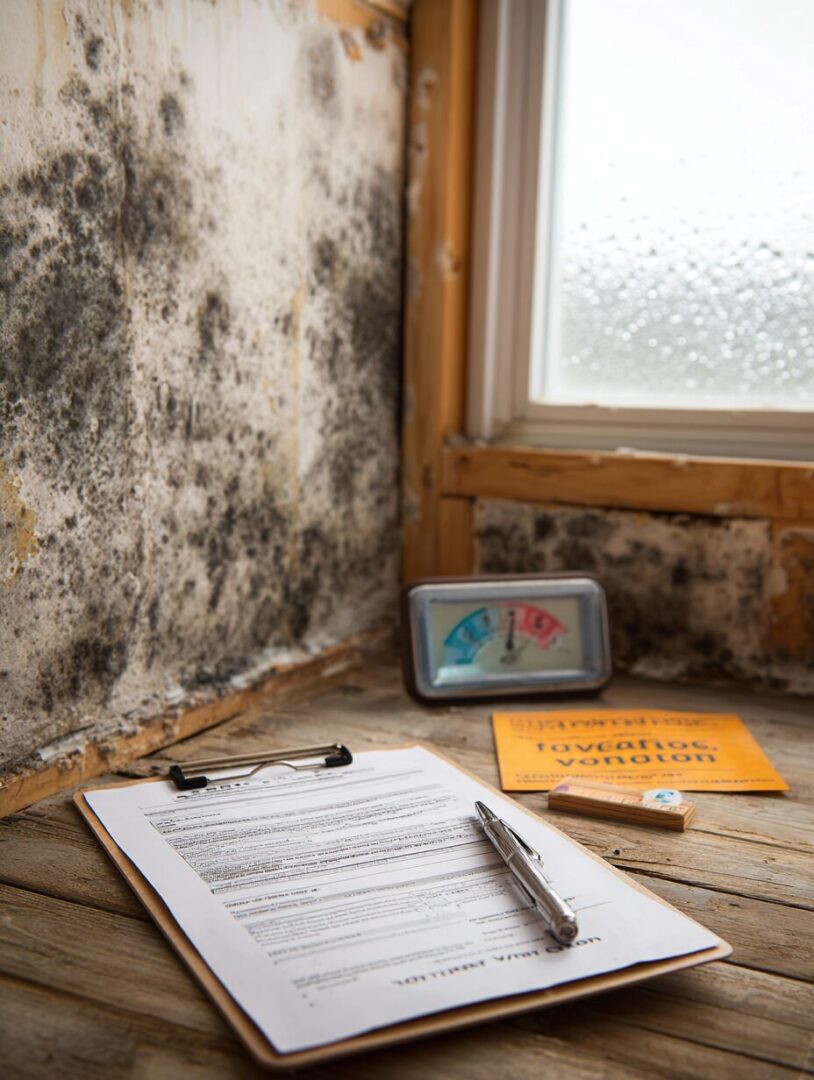
Outside MEP coordination, you’ll need to address zoning and airflow requirements that directly impact your home’s protection from moisture-related hazards during the 11-month warranty inspection.
High-risk areas demand strict airflow management to prevent mold proliferation before your builder’s warranty expires. 11-month warranty inspections verify these crucial standards:
- Maintain a minimum of 6 air changes per hour in living spaces to guarantee adequate circulation and moisture control.
- Direct airflow from clean zones to high-moisture areas, preventing contaminated air from spreading through the home.
- Establish proper exhaust in moisture-prone rooms like bathrooms and kitchens to isolate humidity before it migrates.
- Your zoning strategy must separate high-moisture areas from primary living spaces. Regular HVAC monitoring during 11-month inspections guarantees compliance with ventilation standards, reducing condensation risks that promote mold growth in vulnerable home environments.
Your zoning strategy must separate high-moisture areas from your infant’s critical care zones. Regular HVAC monitoring guarantees compliance with these airflow standards, reducing condensation risks that promote mold growth in vulnerable environments.
Regulatory Compliance and Code Adherence
11-month inspections ensure compliance with International Building Code moisture management requirements and EPA mold prevention guidelines. Documented findings create leverage for comprehensive builder repairs.
Understanding these codes helps you advocate for your child’s safety when working with contractors or landlords.
| Regulatory Body | Focus Area | Your Action Item |
|---|---|---|
| IBC | Moisture management in construction | Verify mold-resistant materials used |
| EPA | Mold prevention guidelines | Remediate water damage within 48 hours |
| OSHA | Workplace moisture control | Confirm daycare compliance |
| Local Codes | Building-specific requirements | Request inspection documentation |
| ADA | Public facility standards | Verify accessibility areas meet codes |
Professional inspection reports satisfy Joint Commission standards when applicable to healthcare-adjacent properties.
Maintenance Planning and System Longevity Considerations
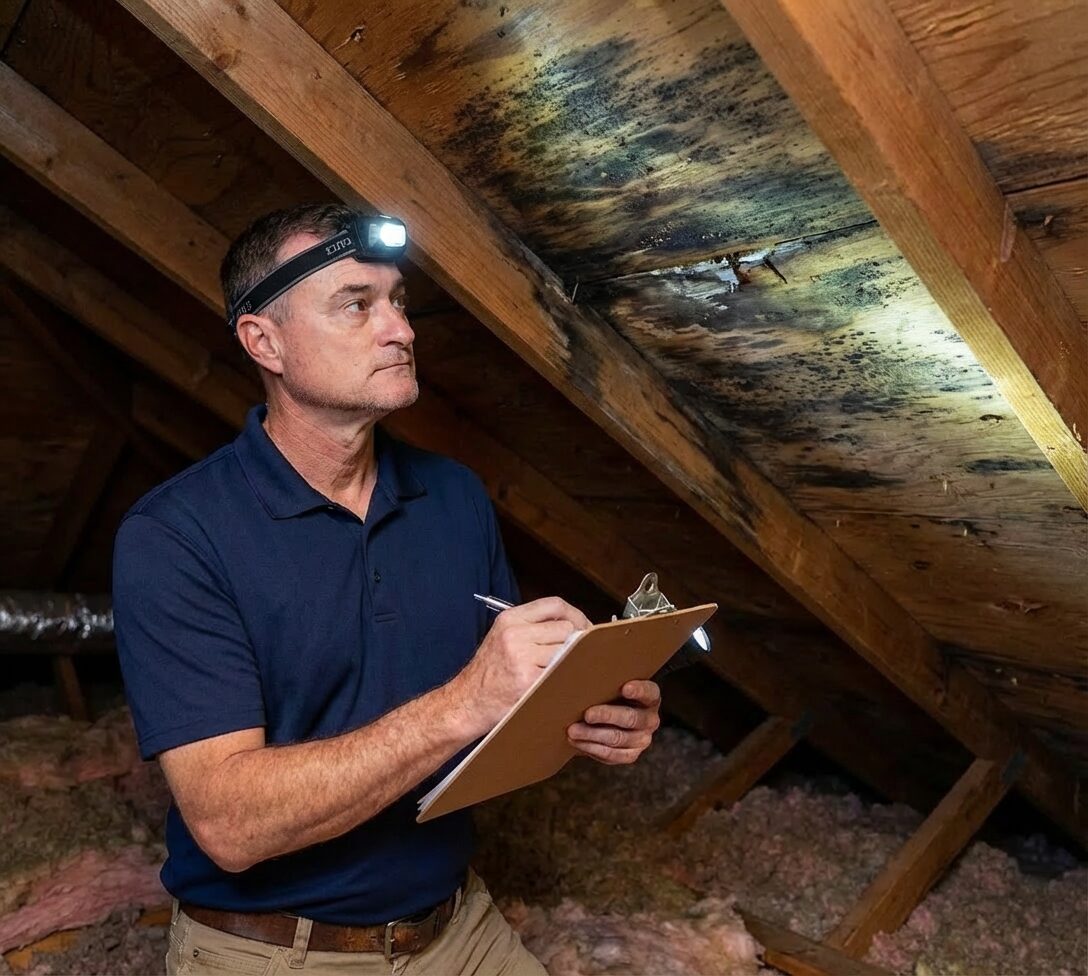
Given that regulatory compliance establishes baseline standards, you’ll need proactive maintenance planning to sustain long-term protection against moisture and mold in your home’s environment.
Prioritize these critical maintenance tasks for system longevity:
- HVAC maintenance: Change filters quarterly and schedule annual duct cleaning to prevent moisture buildup that compromises air quality.
- Leak response protocol: Address plumbing and roofing leaks within 48 hours to prevent structural damage and mold colonization.
- Humidity control: Deploy dehumidifiers in basements and bathrooms, maintaining levels below 50%.
You’re responsible for routine inspections of condensation on windows and walls. Install exhaust fans in kitchens and bathrooms to enhance ventilation. These maintenance planning strategies directly reduce moisture and mold risks while extending your home systems’ operational lifespan, protecting your family’s respiratory system.
Frequently Asked Questions
Why Schedule an 11-Month Warranty Inspection?
The 11-month inspection catches construction defects before your builder’s warranty expires, saving thousands in out-of-pocket repairs for issues like roof leaks and HVAC failures.
What Are the 10 Warning Signs of Mold Toxicity?
Watch for warning signs: persistent coughing, wheezing, unexplained skin rashes, frequent headaches, fatigue, gastrointestinal issues like nausea and diarrhea, musty odors, respiratory difficulties, allergic reactions, and cognitive changes. You’ll want to address these symptoms promptly to protect vulnerable infants.
What Moisture Issues Are Common at 11 Months?
Roof leaks, plumbing penetrations, poor attic ventilation, foundation grading problems, and HVAC condensation create mold risks exposed after seasonal changes.
Does Mold from Construction Moisture Get Covered?
Yes, if documented during 11-month inspection. Builders must address workmanship defects causing moisture intrusion under standard one-year warranties
Conclusion
The 11-month warranty inspection represents your final opportunity to hold builders accountable for moisture and mold risks before warranty expiration. By documenting attic leaks, HVAC deficiencies, and grading issues through Gulf View inspections, you’re protecting your home’s value and preventing costly future repairs. Professional thermal imaging and moisture analysis reveal hidden defects, ensuring comprehensive warranty claims that safeguard your investment.[