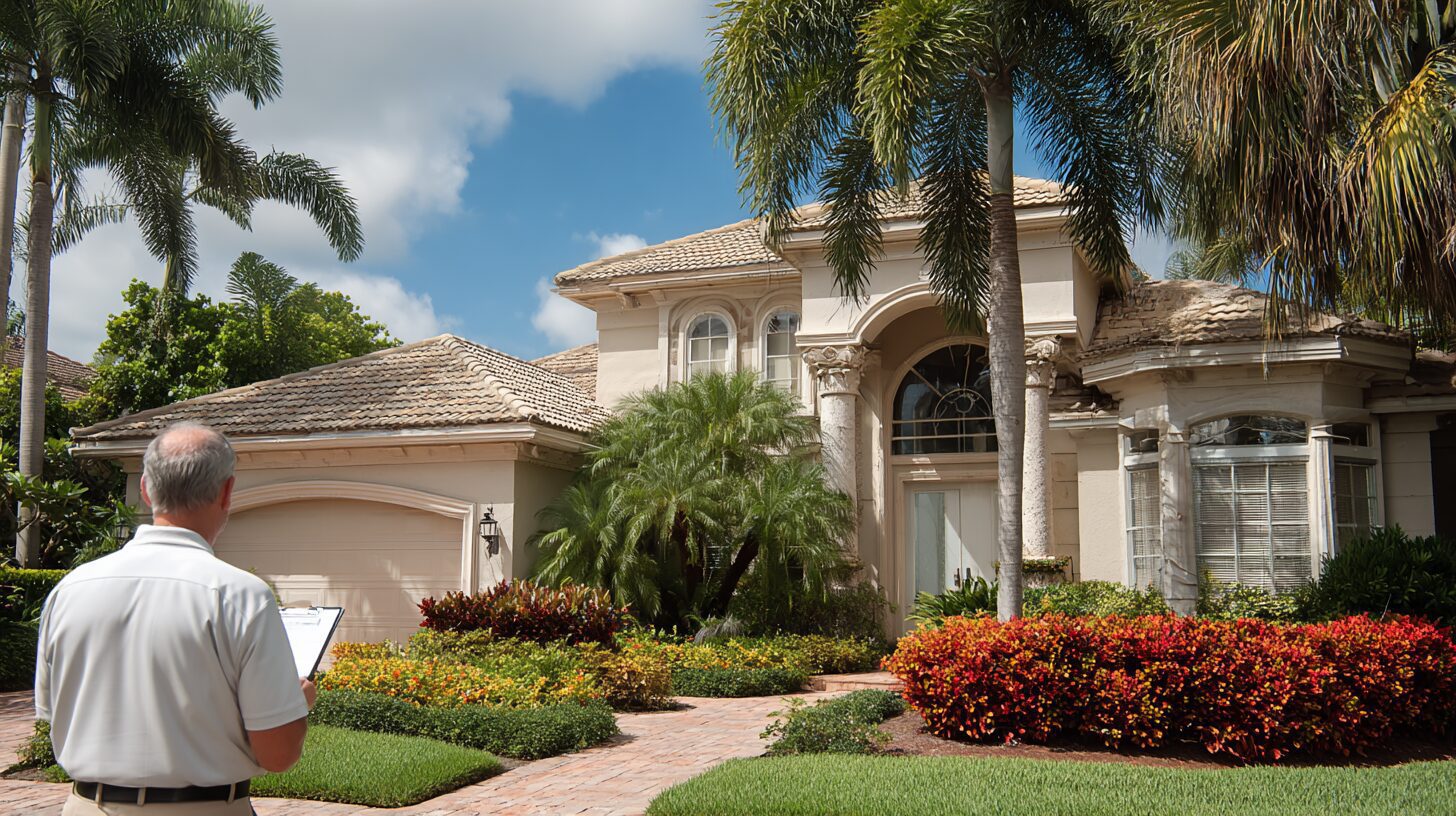

You might think buyer inspections are just another expense during an already costly home purchase, but they’re actually one of your smartest investments for long-term home inspection insurance savings. When you understand how different inspection types directly influence your insurance premiums, you’ll uncover opportunities most homebuyers overlook.
From wind mitigation credits to four-point assessment requirements, the right inspections can greatly reduce what you’ll pay for coverage year after year, if you know which ones to prioritize. For buyers in Florida and other storm-prone regions, this can make a meaningful difference in both short-term costs and long-term peace of mind.
Key Takeaways
- Home inspections identify property issues that, when addressed, can lower insurance premiums by reducing risk factors.
- Wind mitigation inspections can lead to premium discounts of 20% or more in hurricane-prone areas.
- Four Point Inspections evaluate roofing, electrical, plumbing, and HVAC systems, helping insurers calculate accurate premiums.
- Combining standard home inspections with wind mitigation assessments maximizes potential insurance savings for buyers.
- Waiving inspections may result in unexpected repair costs and higher insurance rates due to undiscovered defects.
Understanding the Different Types of Buyer Inspections

When you’re preparing to purchase a home, understanding the different types of inspections available can help you make smarter decisions and potentially save money on insurance. Licensed home inspectors offer several specialized services tailored to your needs.
A full home inspection gives you a thorough look at the property’s overall condition. Four-point inspections focus specifically on roofing, plumbing, electrical, and HVAC systems, information your insurance company often requires for older homes. Wind mitigation inspections assess your roof’s ability to withstand severe weather and can result in significant premium discounts in hurricane-prone regions.
Each inspection serves a distinct purpose. By knowing which home inspections you need, you’ll join countless knowledgeable buyers who’ve protected their investments while securing better insurance rates.
How Home Inspections Impact Insurance Premiums
Because insurance companies base their rates on risk assessment, the information gathered during home inspections directly influences what you’ll pay for coverage. When you invest in a thorough inspection, you’re giving insurers detailed insights into your property’s condition, which helps them calculate your premium more accurately.
Your home inspection report reveals the state of critical systems, roofing, plumbing, electrical, and HVAC, which carriers evaluate when determining your risk level. If you address issues discovered during the inspection, you’ll likely reduce your insurance costs by minimizing potential claims.
In hurricane-prone areas, wind mitigation inspections prove especially valuable. By demonstrating your home’s resilience against severe weather, you can qualify for substantial premium discounts. You’re fundamentally showing insurers that you’ve taken proactive steps to protect your investment.
Wind Mitigation Inspections and Premium Discounts
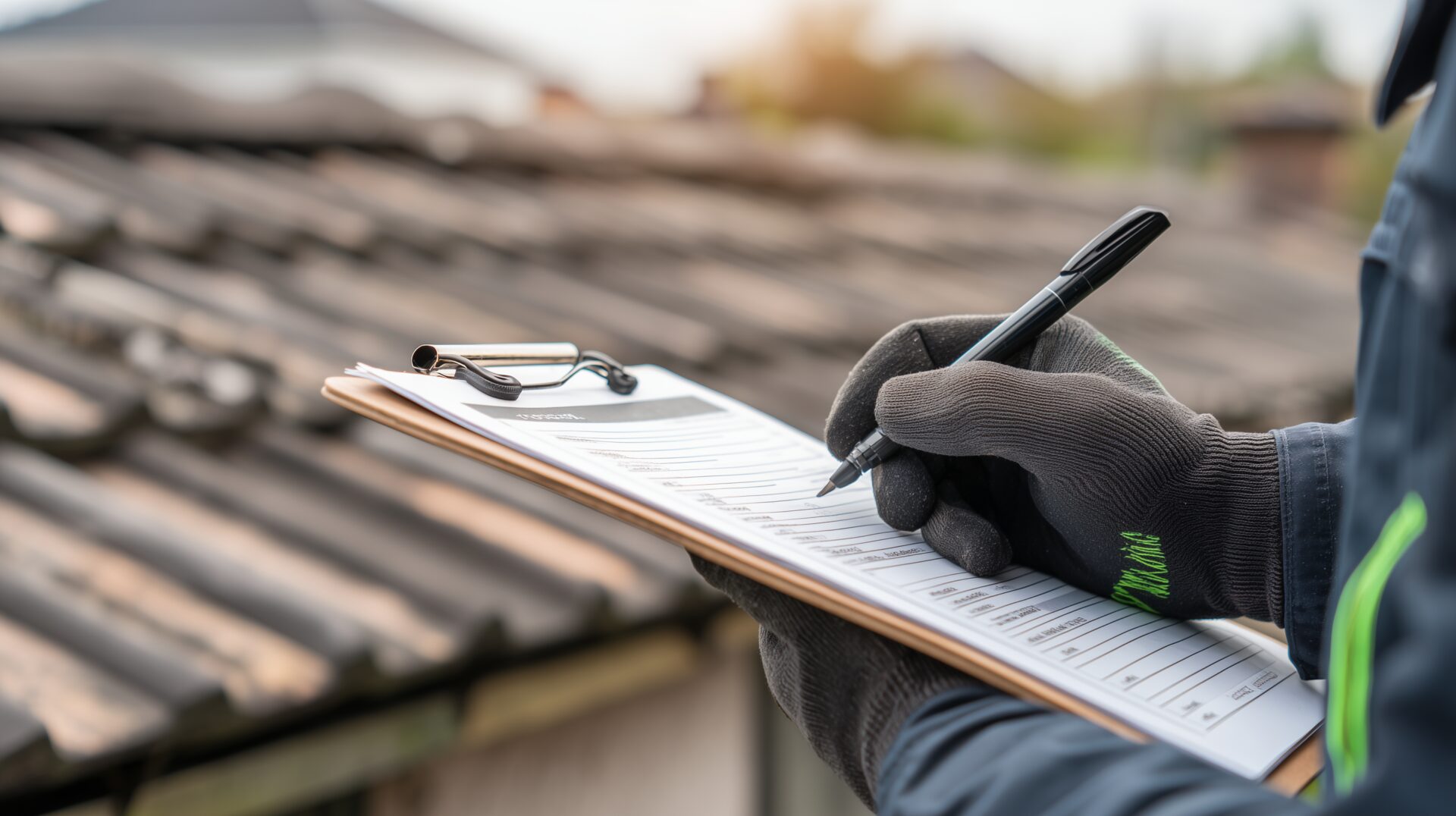
How exactly does a wind mitigation inspection translate into lower insurance premiums? When you’re buying a home in hurricane-prone areas like Florida, this specialized assessment evaluates your property’s ability to withstand strong winds. Inspectors examine critical features, including roof shape, roof covering, roof-to-wall connections, and storm shutters.
Insurance companies recognize that homes meeting wind mitigation standards pose less risk during severe weather. That’s why they often offer premium discounts to homeowners who complete these inspections. In many cases, the result is real home inspection insurance savings that continue year after year.
If you’re working with a local inspector, Gulf View Inspections offers wind mitigation reports as part of its inspection services, helping buyers understand where savings opportunities may exist without making the process feel complicated.
Four Point Inspections and Insurance Requirements
If you’re purchasing an older home, your insurance company will likely require a Four Point Inspection before issuing or renewing your policy. This evaluation examines four critical systems that insurance companies consider high-risk in aging properties:
- Roofing: Age, materials, and overall condition
- Electrical: Wiring type, panel condition, and safety compliance
- Plumbing: Pipe materials, water heater age, and leak potential
- HVAC: System age, functionality, and maintenance status
Maximizing Your Savings Through Strategic Inspections

When you approach home inspections strategically, you’ll access opportunities to reduce your insurance premiums while protecting your investment. Full inspections give you detailed insights into your property’s condition, enabling you to negotiate repairs or price adjustments before closing.
Consider waiving a home inspection carefully; this decision could cost you thousands in unexpected repairs and higher insurance rates. The inspection profession exists to help buyers like you identify hidden defects that insurers use to calculate your premiums.
Frequently Asked Questions
What Is the Biggest Red Flag in a Home Inspection?
The biggest red flag you’ll encounter is significant structural issues, like foundation cracks. These indicate costly repairs and safety hazards you don’t want to inherit. Your inspector can help you navigate these concerns before you commit.
Why Are Buyers Waiving Inspections?
You’re taking a big gamble when you waive inspections, but here’s why it’s happening: competitive markets are pushing buyers to make faster, more attractive offers. You’re prioritizing speed over protection, risking costly surprises later.
Why Does My Insurance Company Want to Do a Home Inspection?
Your insurance company wants to inspect your home to assess the condition of essential systems like roofing, plumbing, electrical, and HVAC. This helps them evaluate risk and determine your premium rates and coverage options.
Can You Negotiate a Lower Price After Inspection?
Yes, you can negotiate a lower price after inspection. Picture yourself confidently presenting documented findings to the seller, about 15% of buyers successfully secure price reductions, potentially saving you thousands on repairs you’d otherwise face alone.
Conclusion
By investing in strategic buyer inspections, you’re not just protecting your new home; you’re setting yourself up for significant home inspection insurance savings down the road. A standard home inspection, combined with wind mitigation and four-point assessments when appropriate, can help reduce risk, improve coverage decisions, and uncover discounts you might otherwise miss.
For buyers who want clear, detailed information before closing, working with a thorough inspector such as Gulf View Inspections can make the process easier to understand without adding pressure. In the end, the goal is simple: make informed decisions that benefit both your safety and your wallet for years to come.